Open Wednesday to Sunday, 10:00-16:00 +40 31 620 3902  ·  cenafer@cenafer.ro
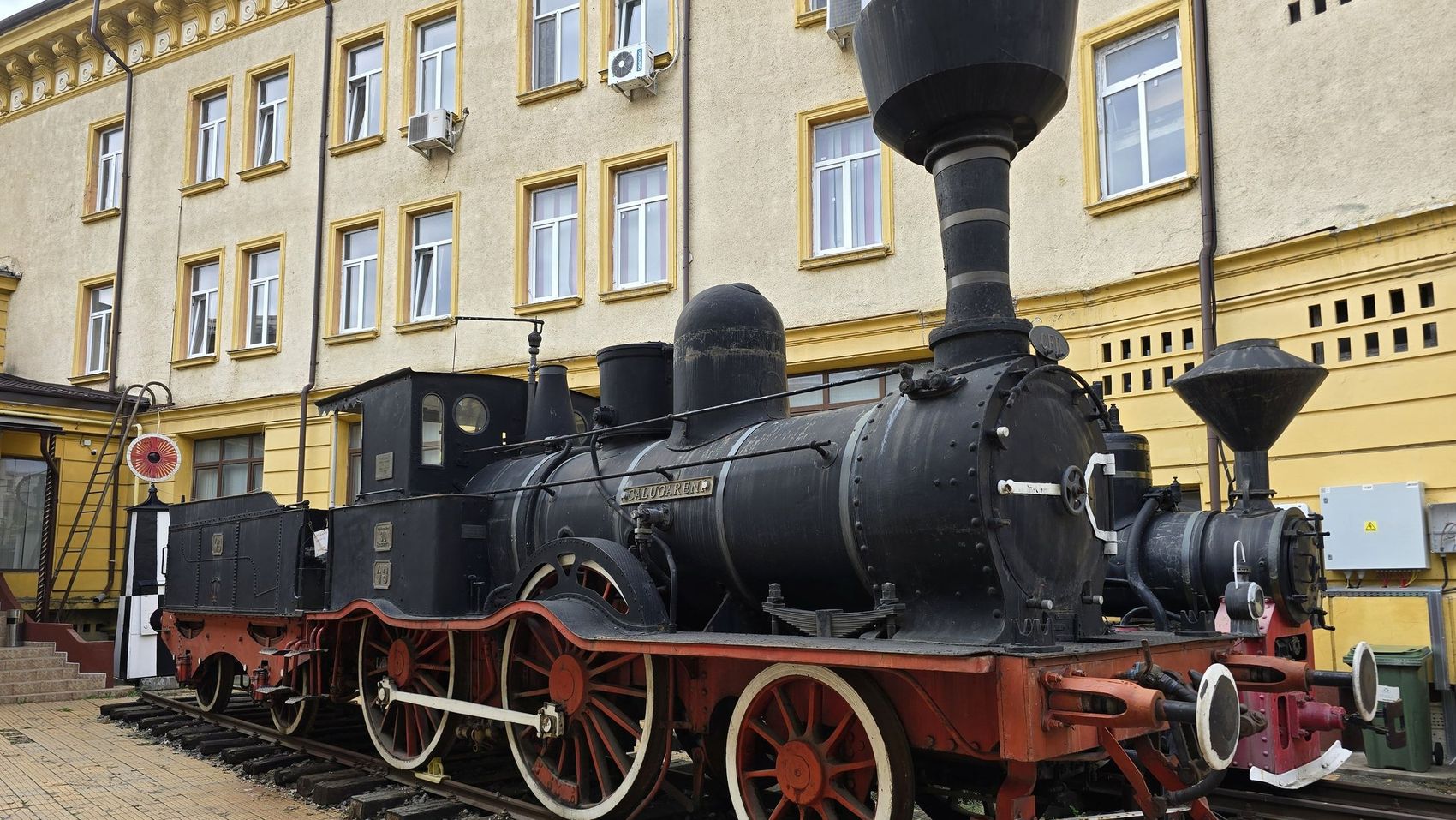
Steam locomotive no. 43 Călugăreni, built in 1869, standing on rails in the courtyard of the Romanian Railway Museum, with the museum's yellow building behind it

Next to Gara de Nord, Bucharest

The Romanian Railway Museum

Fourteen metres of diorama that runs by itself, heritage locomotives in the courtyard, and the desk of the engineer who built the Cernavodă bridge.

Four rooms and a courtyard of locomotives

From the first mine wagons of Transylvania to the diesel railcars built in Bucharest in the 1930s.

The railway diorama at the museum: a working 1:87 scale model with trains, mountains, viaducts and miniature stations

01The 14.4-metre diorama

The star of the museum, and the reason children refuse to leave. Night trains, narrow-gauge steamers and freight trains set off on their own and run through miniature mountains, tunnels, viaducts and stations.

1:87 scale14.4 × 4 metres260 m of track3 levelsopened 2012

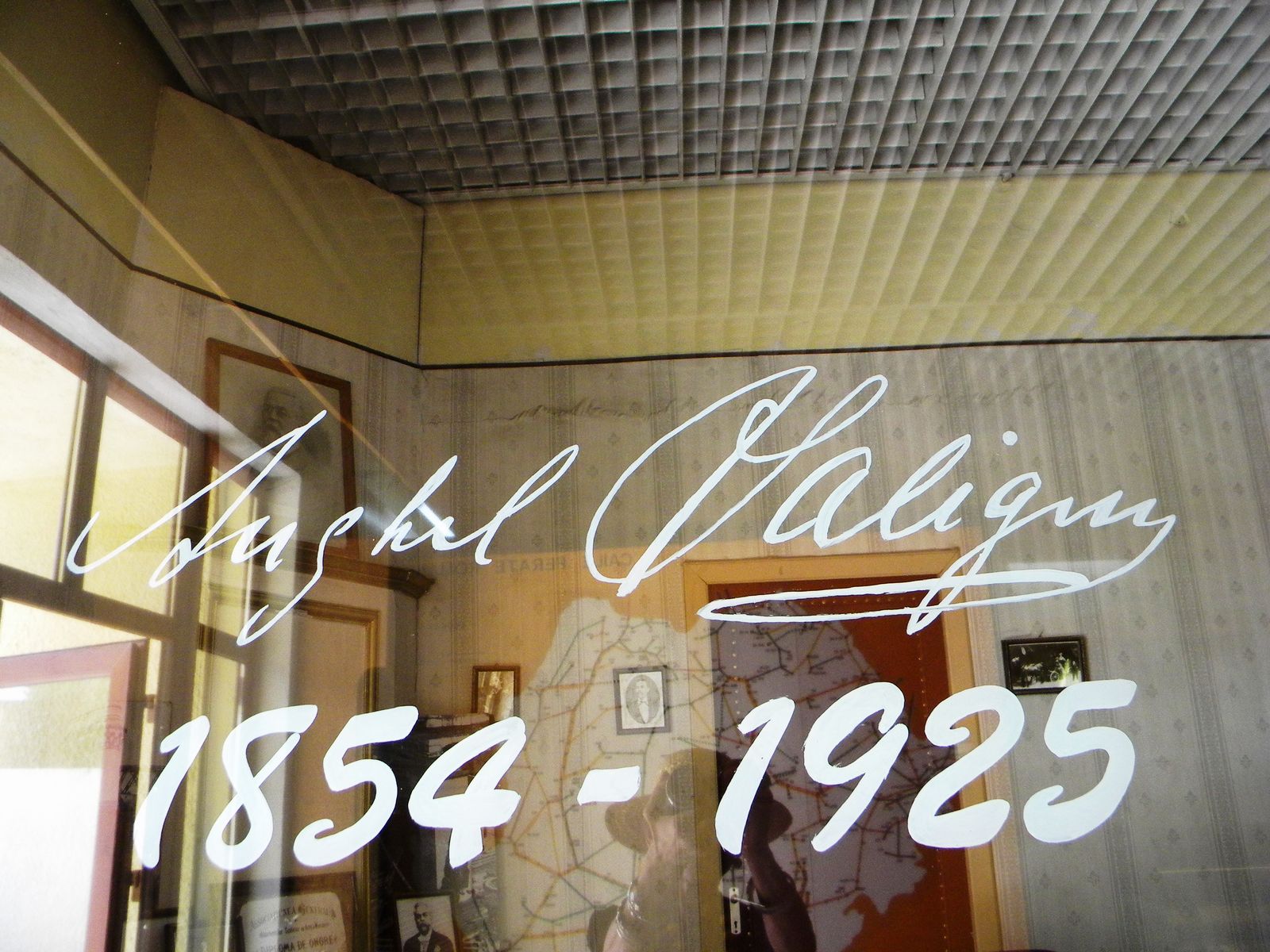
The Saligny Room at the museum, with exhibits dedicated to engineer Anghel Saligny

02Anghel Saligny's desk

You reach it through a short tunnel. Inside stands the engineer's working desk, a national heritage object, with the model of the Cernavodă bridge sitting on it, alongside his inkwell, spectacles and drawing instruments.

national heritagethe 1895 bridge

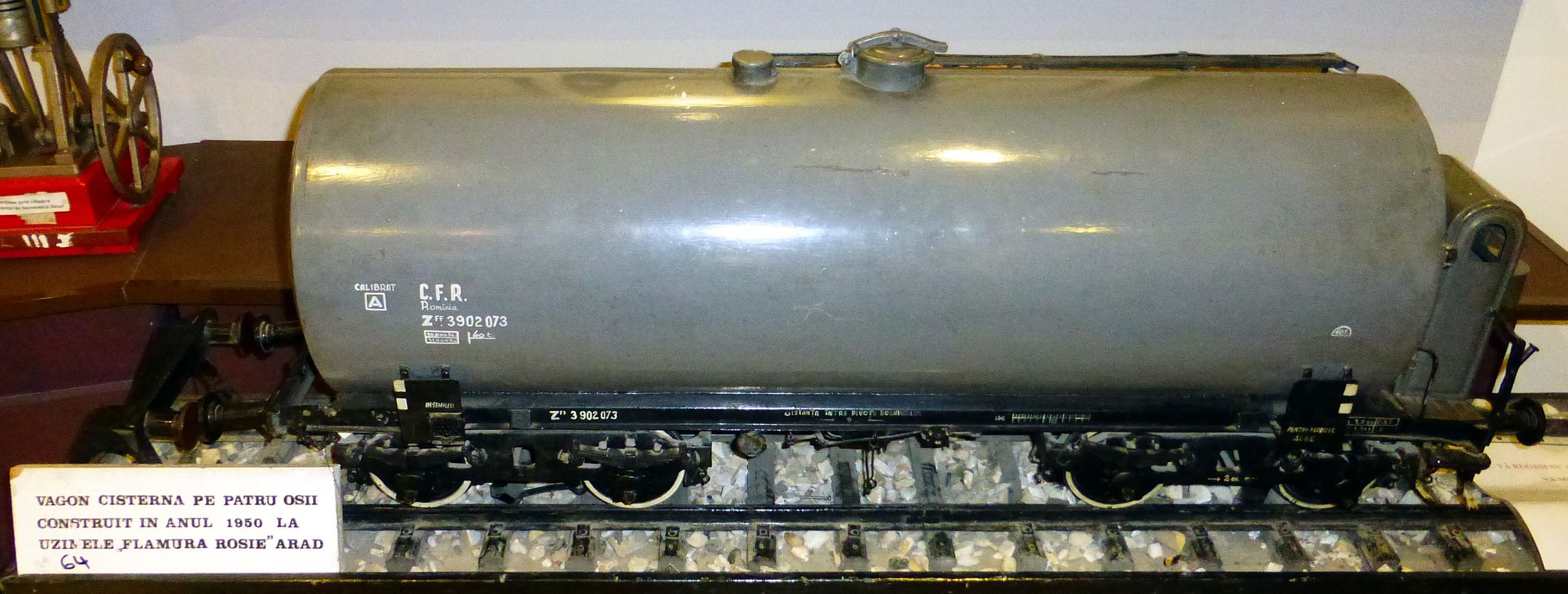
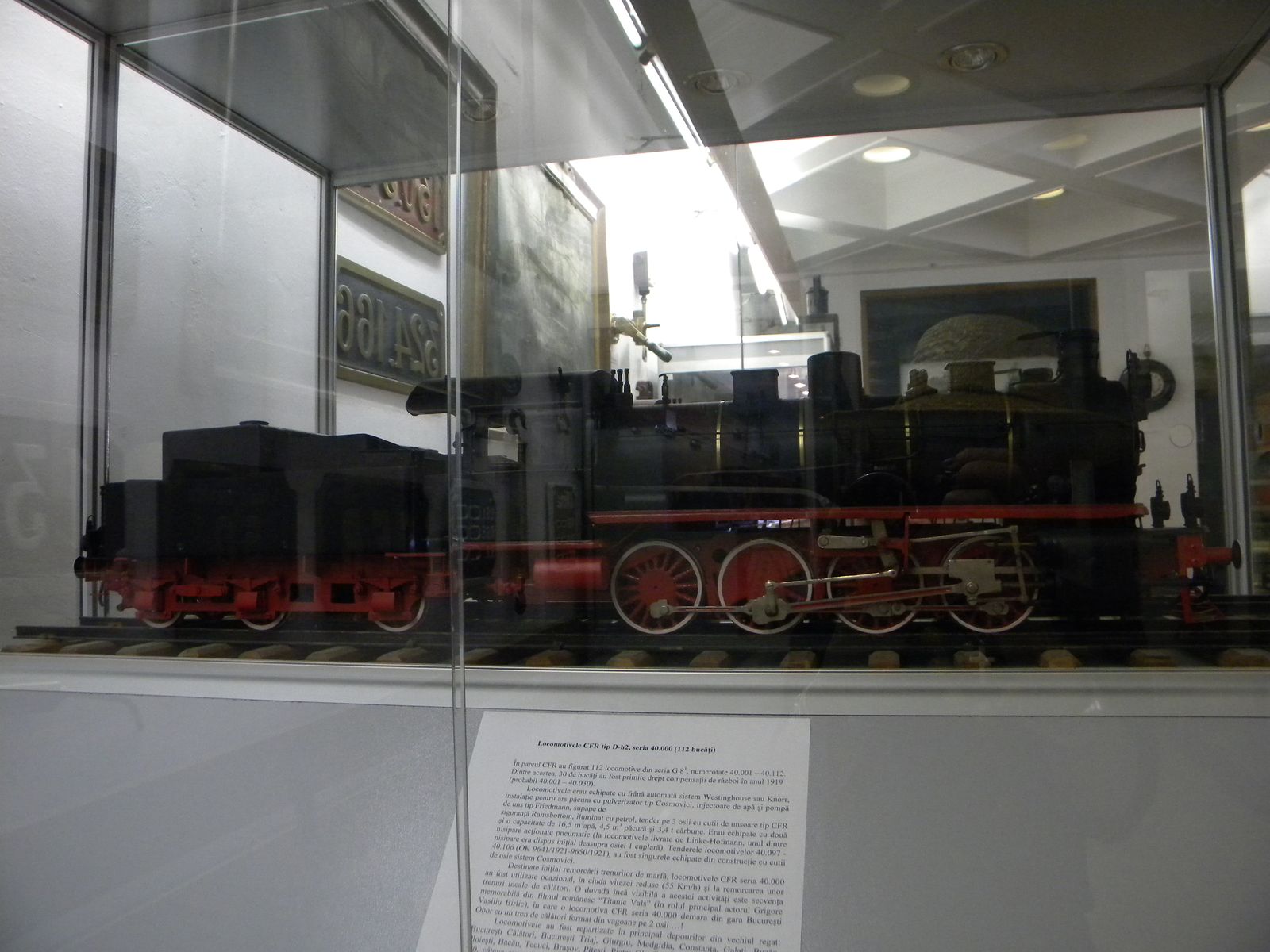
A 1:20 scale steam locomotive model on display in the museum's Main Room

03Models built by hand

Locomotives and carriages built in the workshop during the 1950s and '60s at 1:20 scale, then fully restored. The star is the „Pacific” class 231, the locomotive that reached 126 kilometres per hour.

1:20 scale„Pacific” 231126 km/h

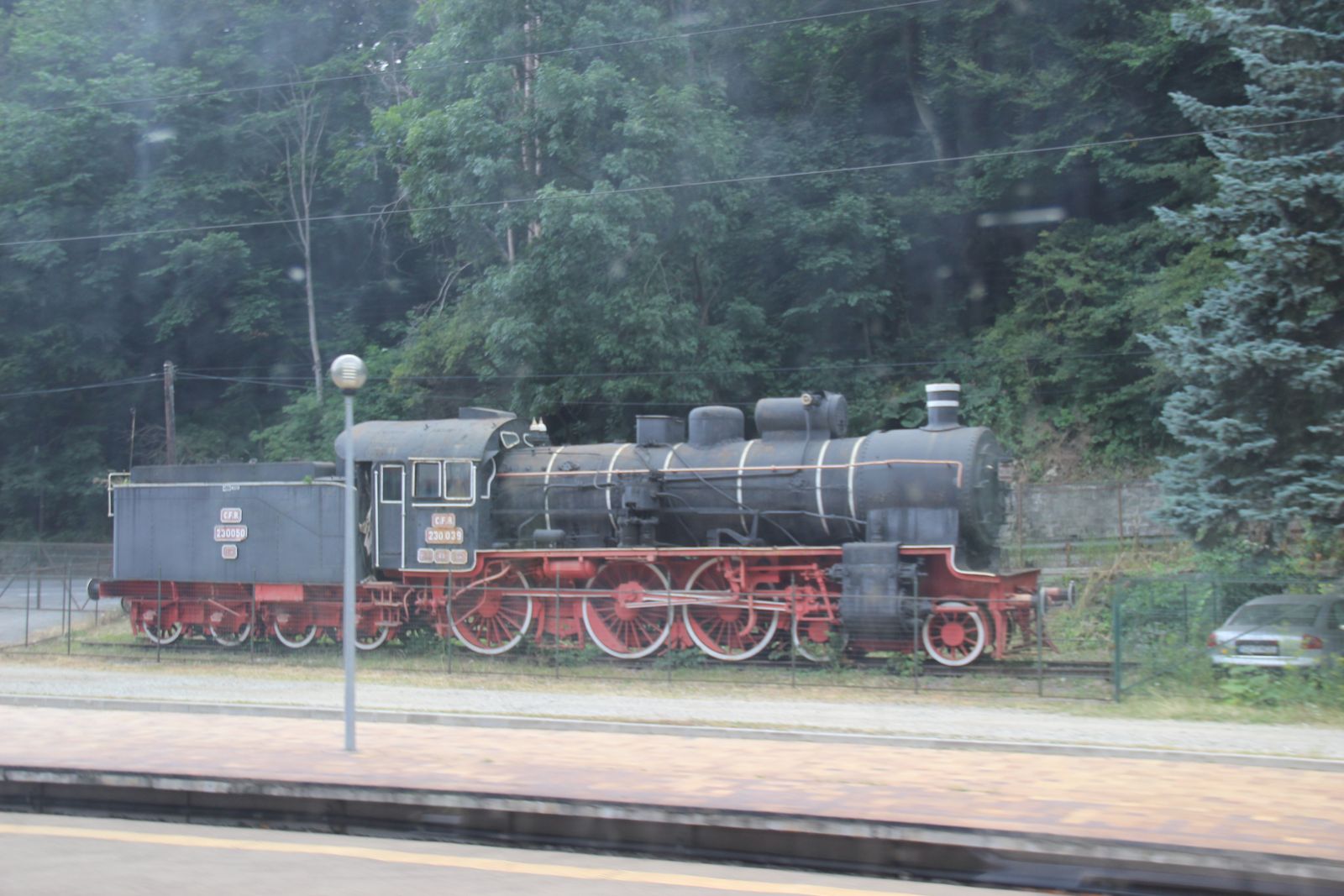
A steam locomotive on open-air display in the museum's inner courtyard

04The locomotive courtyard

You see them before you even go in, because the entrance runs through the courtyard: „Călugăreni” of 1869 and a narrow-gauge engine, out in the open, a few steps from the ticket desk.

„Călugăreni” 1869763.215 narrow gaugeseen from the courtyard

A museum born of railwaymen's enthusiasm

The idea of a railway museum appeared in 1924, proposed by inspector general Theodor Balș, and on 10 June 1939 the „Railwaymen's Museum” opened beneath the stands of the Giulești stadium. Since 1 May 1953 the collection has lived in the railway building on Calea Griviței, next to Gara de Nord, where it remains today. It was refurbished in 1969 for the centenary of Romania's first line, and reopened to the public on 16 May 2012 together with the diorama.

Today it is run by CENAFER as the Public Collection of Romanian Railway History. Its holdings include 37 steam locomotives, kept in depots across the country, fifteen of them classified as national treasure.

What the visit is like

  • The diorama starts up several times a day. Night trains, narrow-gauge steamers and freight trains run by themselves through miniature mountains, tunnels, viaducts and stations.
  • The Saligny Room is entered through a short tunnel. Inside: the engineer's working desk, his inkwell, his spectacles and his instruments.
  • The instruments are real working machinery, not just objects behind glass. The 1869 Morse telegraph, the Hughes teleprinter with its piano keyboard, the Siemens-Halske master clock that kept some 300 station clocks in step, and Teodor Dragu's 1902 fuel-oil atomizer.
  • A visit takes one to two hours and the museum is a regular fixture on lists of the best places in Bucharest to take children.
  • Labelling is mainly in Romanian. Visitors have noted this as a drawback; call ahead if you would like a guided visit in English.

Plan your visit

Opening hours

Wednesday to Sunday
10:00 - 16:00
Monday and Tuesday
closed

Last entry at 15:45. During the European Night of Museums the museum stays open late and entry is free.

Good to know

  • A visit takes one to two hours.
  • Bring cash: there is no card terminal.
  • The National Military Museum and the Antipa Museum are both a short walk away.
  • Labelling is mainly in Romanian.

Accessibility

The museum occupies an old building and the entrance runs through the courtyard. We have no confirmation from the museum about ramps, a lift, or an adapted toilet. If you need step-free access or are coming with a pushchair, call ahead on +40 31 620 3902 to ask about the actual situation.


Admission

Railway Museum · admission

Adults

10lei · cash

Railway Museum · admission

Pupils, students, pensioners

2.50lei · cash

Payment is cash only, in Romanian lei, at the desk. There is no card terminal, so bring cash with you. Ten lei is roughly two euros.

Beware of outdated prices. Older figures of 4 lei for adults and 2 lei for pupils still circulate online, including on pages that have not been updated. The rates above are the ones published by CENAFER.

For pre-school children, groups, and any free-admission categories, call +40 31 620 3902: the museum does not publish these, and we do not invent them.
Photography and filming

Railway Museum · surcharge at the desk

Photography

40lei per hour

Railway Museum · surcharge at the desk

Filming

70lei per hour

These are the rates published by CENAFER. They may change: call +40 31 620 3902 before your visit to confirm.

Getting here

The museum sits right beside Gara de Nord, Bucharest's main station, but the entrance is not through the station. You come in from Calea Griviței, through the courtyard where the locomotives stand.

Map: OpenStreetMap contributors, ODbL · open in Google Maps

Romanian Railway Museum
Calea Griviței nr. 193B
Sector 1, Bucharest, 010753
Metro
Line M1 to Gara de Nord. Under 300 metres on foot.
Bus
Route 105, Gara de Nord stop.
Trolleybus
Routes 65 and 86.
Train
Get off at Gara de Nord and leave the station towards Calea Griviței.
Car
The museum has no car park and the area is congested. Public transport is simpler.

The entrance is at 193B Calea Griviței, through the inner courtyard where the steam locomotives are displayed. The historic entrance from platform 14 of Gara de Nord is closed at present, although many online guides still point to it.

1939 - 1953

What burned in 1944

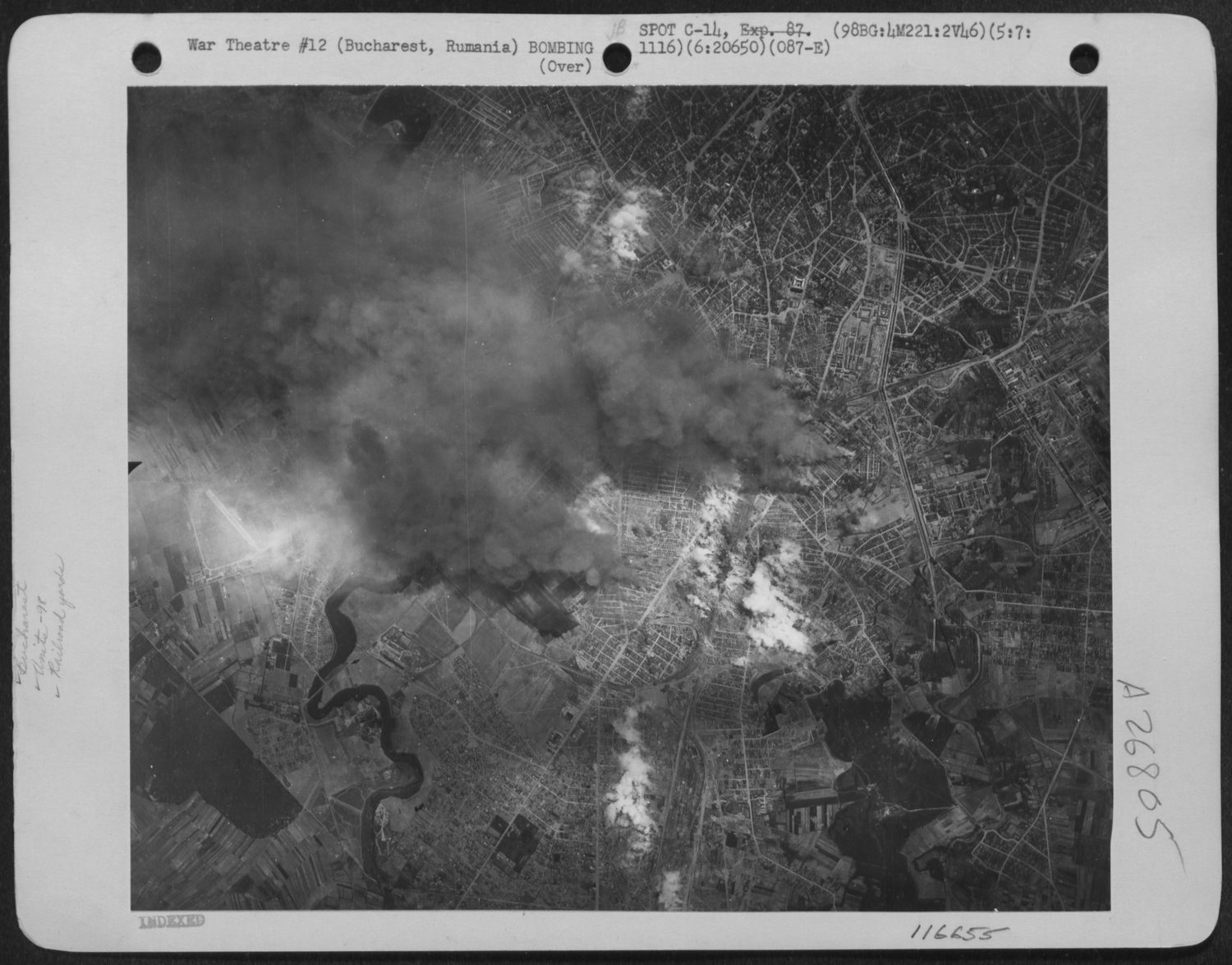
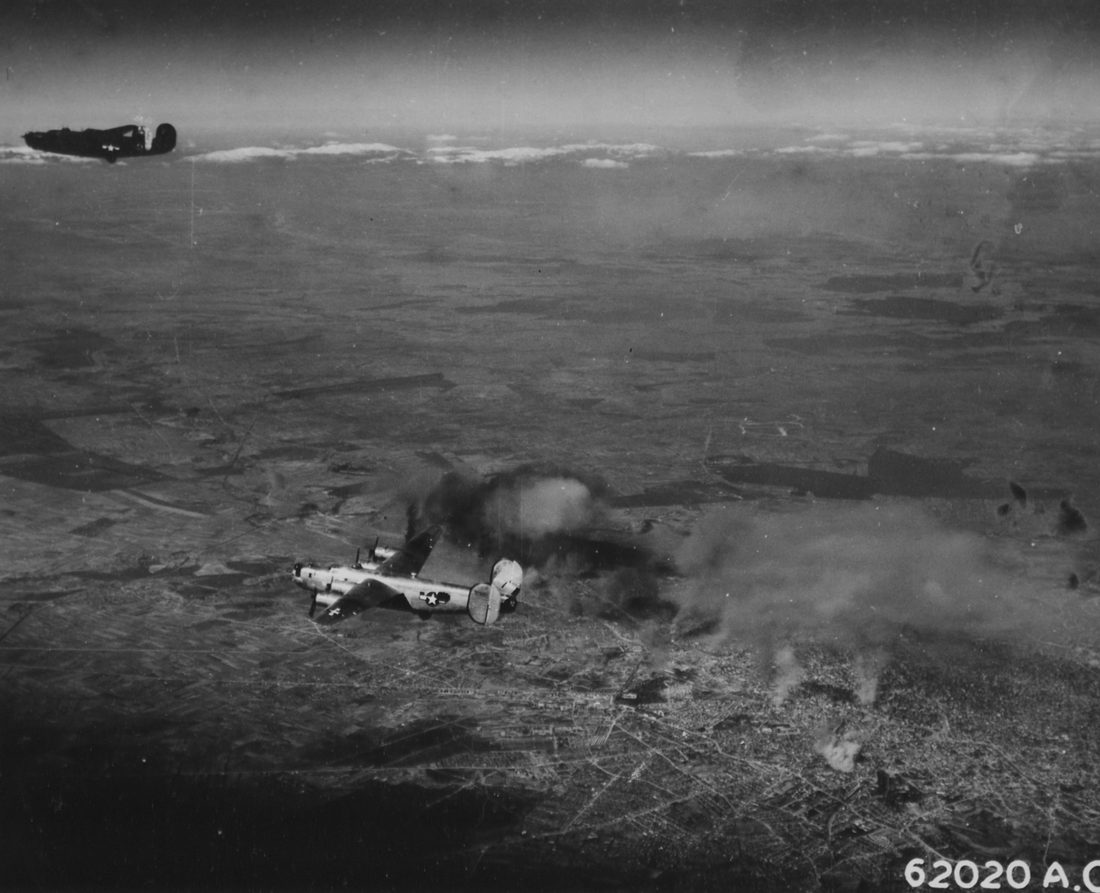
The first railway museum opened in 1939, beneath the stands of the Giulești stadium. In the spring of 1944, Allied bombing struck the marshalling yards beside Gara de Nord and destroyed most of the collection. What survived stayed in storage until 1953.

Aerial reconnaissance photograph from 1944 showing smoke over the railway marshalling yards of Bucharest after bombing
Bucharest's marshalling yards under bombs, 1944United States Army Air Forces reconnaissance photograph, annotated „War Theatre #12 (Bucharest, Rumania) BOMBING”. Smoke covers the tracks beside the station.
A B-24 Liberator bomber over Bucharest during the raid of 4 April 1944
4 April 1944The first major raid on Bucharest, with the railway junction as its target.
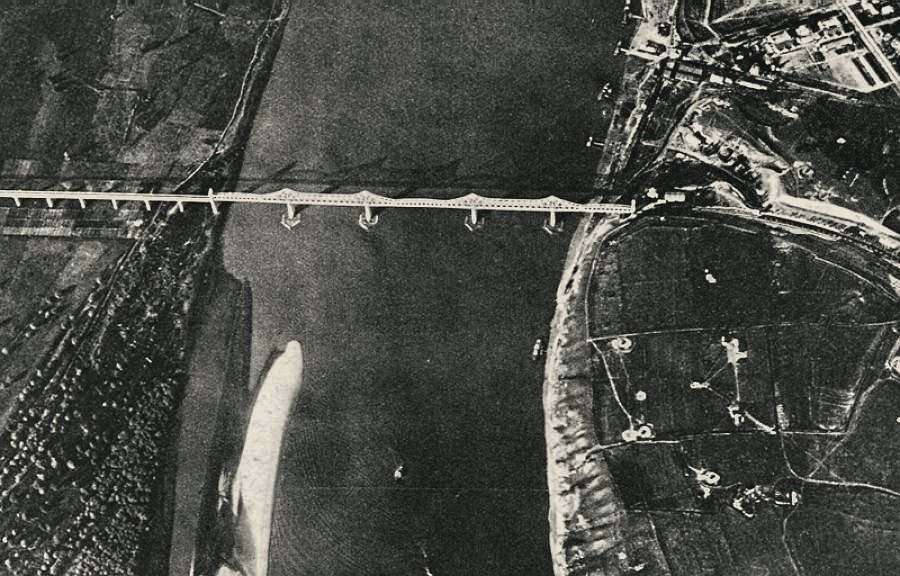
The Cernavodă bridge photographed from an aircraft in 1916
Cernavodă, 1916One of the few pre-war items that survived.
  • The 45 by 18 metre hall at Giulești, opened in 1939destroyed
  • The photographic archive from before 1944lost
  • The original models made for the 1939 Ceferiadalost

The Saligny Room and beyond

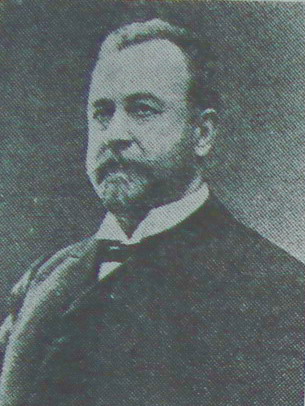
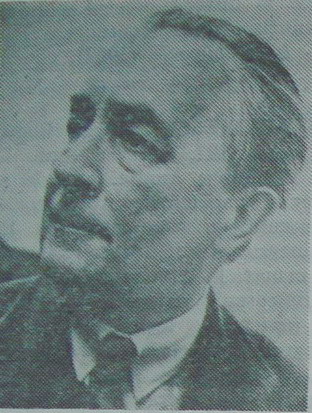
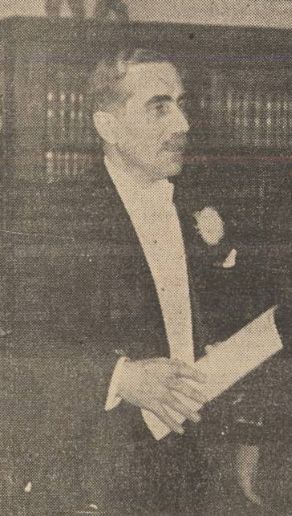
The people who put Romania on rails

The engineers you meet in the museum, through their own objects.

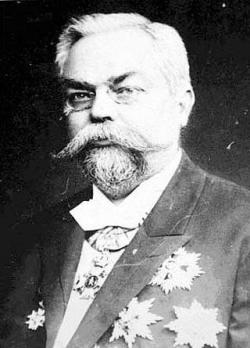
Portrait of engineer Anghel Saligny

1854-1925

Anghel Saligny

He was given the Cernavodă bridge at the age of 35. During load testing he sat in a boat beneath it, staking his life on its strength. At its opening in 1895 it was the longest bridge in Europe.

Portrait of engineer Elie Radu

1853-1931

Elie Radu

Some 650 kilometres of railway and around 60 station buildings, among them Curtea de Argeș and Comănești.

Portrait of engineer George Gogu Constantinescu

1881-1965

Gogu Constantinescu

He created the theory of sonics and the first torque converter for locomotives. 317 patents.

Portrait of industrialist Nicolae Malaxa

1884-1965

Nicolae Malaxa

He started with a repair workshop in 1921 and ended up running the most productive rolling-stock works in Europe.

Frequently asked questions

What are the opening hours?

Wednesday to Sunday, 10:00 to 16:00, with last entry at 15:45. The museum is closed on Monday and Tuesday.

How much do tickets cost?

10 lei for adults and 2.50 lei for pupils, students and pensioners, according to CENAFER's published rates. Payment is cash only, in Romanian lei.

Where is the entrance?

At 193B Calea Griviței, through the inner courtyard where the steam locomotives stand. The historic entrance from platform 14 of Gara de Nord is currently closed.

How do I get there by public transport?

Metro line M1 to Gara de Nord, bus 105, or trolleybus 65 and 86. There is no car park, so leaving the car behind is easier.

How long is a visit, and is it good for children?

One to two hours. The museum appears regularly on lists of the best museums for children in Bucharest: the diorama with its moving trains is the main attraction for younger visitors.

Can I take photographs or film?

Yes, for a fee of 40 lei per hour for photography and 70 lei per hour for filming, paid at the desk.

Is there information in English?

Labelling inside the museum is mainly in Romanian, and visitors have noted the lack of English text as a drawback. Staff may be able to help in person. For a guided visit in English, call ahead on +40 31 620 3902 during opening hours.

Can school or tour groups visit?

Yes. Call +40 31 620 3902 in advance, during opening hours, to arrange a time and possibly a guided tour.

Come and see the trains up close

The museum answers Wednesday to Sunday during opening hours. For groups, schools or events, please call ahead.